
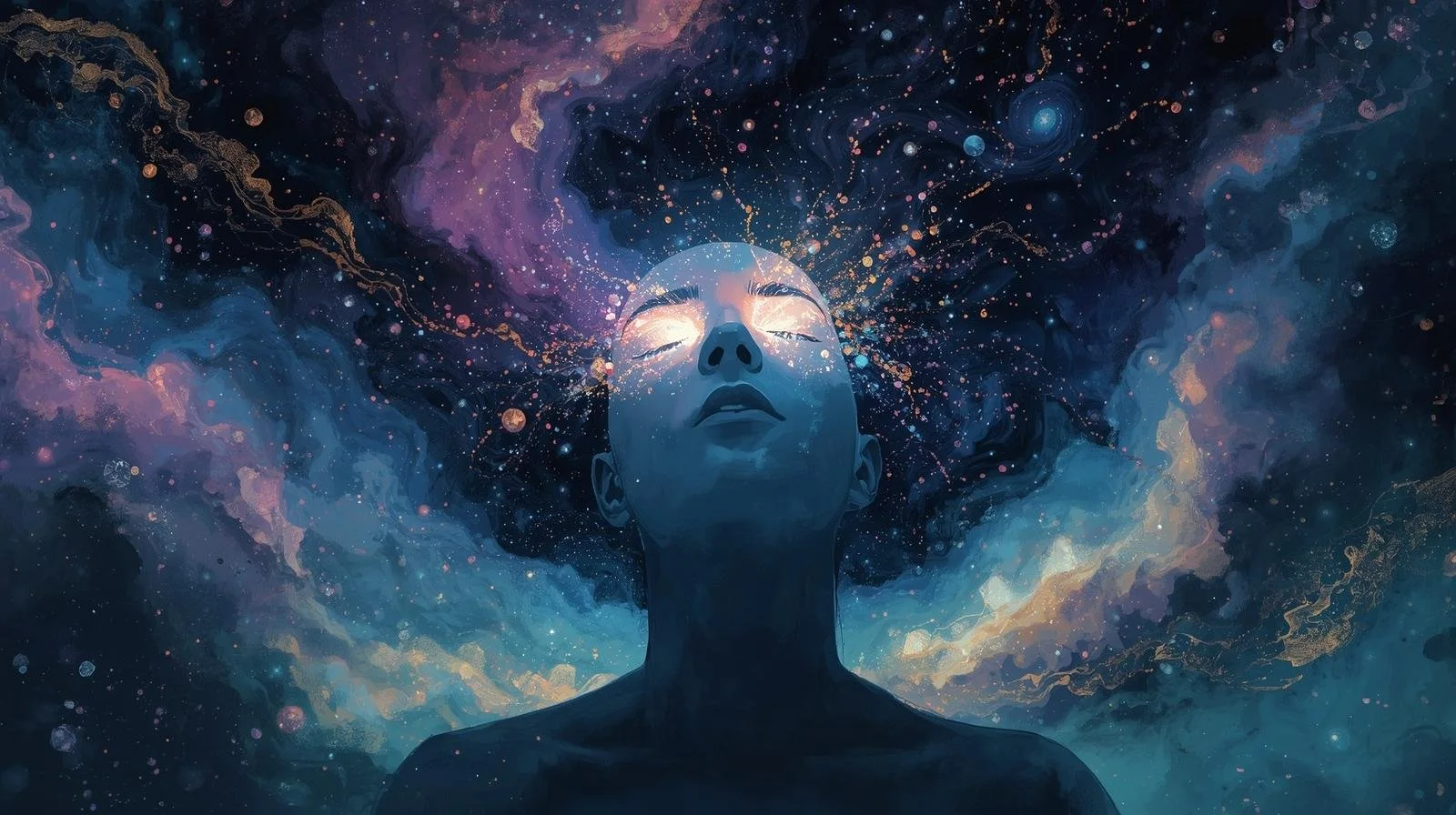
There is something quietly mysterious about dreams. Every night, as we drift into sleep, our minds open a doorway into another world - one filled with symbols, emotions, memories, and possibilities. For centuries, dreams have fascinated philosophers, healers, and scientists alike. Today, many people are rediscovering something our ancestors long believed: dreams can be powerful guides for our wellbeing, creativity, and personal growth.
In a recent conversation on my podcast with Bonnie Buckner, founder of the International Institute of Dreaming and Imagery and author of The Secret Mind, we explored how dreams can offer insight into our inner world and support us in navigating our waking lives with greater awareness.
Bonnie has spent years helping individuals, leaders, and teams understand how dreams can become tools for insight, healing, and even problem-solving. What emerged from our conversation was a beautiful reminder: dreams are not random stories from the night - they often reflect something meaningful within us.
Why Do We Dream?
Scientists and psychologists continue to explore the purpose of dreaming, but many agree that dreams help our minds process experiences, emotions, and memories.
When we sleep, the brain becomes incredibly active. During dreaming, our subconscious mind has the freedom to weave together thoughts, feelings, and experiences that we may not fully process during the day.
Dreams can help us:
Process emotional experiences
Integrate memories and learning
Explore unresolved challenges
Spark creativity and imagination
Reveal patterns in our thinking or behaviour
Bonnie described dreams as a kind of mirror, reflecting aspects of ourselves that may be hidden or overlooked during our busy waking hours. Sometimes they reveal possibilities; other times they gently highlight where we might feel stuck or blocked.
Dreams as a Mirror of the Self
One of the most powerful ideas Bonnie shared is that every element in a dream can represent a part of ourselves. The people, places, and events we encounter while dreaming often symbolise emotions, experiences, or inner conflicts we are navigating.
When we begin to view dreams through this lens, they become less mysterious and more meaningful. Instead of asking, “What does this dream mean?” we might ask, “What part of me might this dream be showing?”
Dreams can illuminate:
hidden fears or anxieties
unexpressed creativity
inner strengths waiting to emerge
areas where healing is needed
Seen this way, dreams become not something strange or distant, but a deeply personal language of the mind.
The Gift of Dreams in Childhood
During our conversation, I reflected on how important my dream world was to me as a child.
My dreams were not simply something that happened while I slept - they were a place where I could express, create, and travel beyond the limits of my daily life. They opened a doorway into imagination and possibility.
That dream world became a space of freedom and creativity. Even then, I sensed there was value in paying attention to it.
As I grew older, I held onto that curiosity. Rather than seeing the dream world and waking life as separate, I began to understand that both worlds have something to offer us. When we learn to listen to our dreams and bring their insights into our daily lives, something beautiful can happen—we begin to create greater harmony, healing, and balance within ourselves.
Different Types of Dreams
Bonnie also explained that not all dreams are the same. Our dreaming mind communicates in many different ways, and each type of dream can offer a unique insight.
Emotional Processing Dreams
These dreams help us process experiences from the day or recent life events. They may bring up emotions we didn’t fully express while awake.
Problem-Solving Dreams
Sometimes our dreaming mind works through challenges creatively. Many inventions, artistic ideas, and breakthroughs have reportedly come from dreams.
Recurring Dreams
When a dream repeats itself, it often signals that something in our lives is asking for attention. These dreams may continue until we understand their message.
Healing Dreams
Some dreams bring a sense of release, comfort, or insight during difficult periods of life. They can help us move through emotional pain or change.
Symbolic Dreams
Many dreams speak in symbols rather than literal events. Understanding the personal meaning behind those symbols can reveal deeper insights.
Dreams as a Lens of Possibility
Bonnie beautifully described dreams as a lens of possibility.
Sometimes a dream shows us new directions we might not consciously consider during the day. Other times it gently highlights areas where we may feel blocked or out of alignment with ourselves.
When we learn to listen to dreams with curiosity rather than judgement, they can help us:
reconnect with creativity
see new solutions to challenges
deepen self-awareness
strengthen intuition
access emotional healing
Dreams often invite us to explore who we are becoming.
Building a Relationship With Your Dreams
One of the most empowering ideas Bonnie shared is that we can build an active relationship with our dreams.
Just as we nurture relationships with people, we can nurture our connection with our dreaming mind.
Simple practices include:
Keep a dream journal
Write down anything you remember when you wake up - even small fragments.
Notice emotions
The feelings within a dream can be just as important as the events themselves.
Stay curious
Rather than trying to force a meaning, ask gentle questions about what the dream might be reflecting.
Look for patterns
Over time, recurring themes may reveal deeper insights about your life or inner world.
Blending the Dream World and the Waking World
Perhaps the greatest gift of dreams is that they remind us there is more wisdom within us than we often realise.
Our waking life is where we take action, build relationships, and move through the world. Our dreaming life, however, is where our subconscious mind can explore possibilities, emotions, and insights that may otherwise remain hidden.
When we honour both worlds, we create a deeper connection with ourselves.
For me, that awareness began in childhood and continues today: our dream world and waking world are not separate realities but complementary ones. Together they can guide us toward creativity, healing, balance, and purpose.
Listening to the Quiet Wisdom of the Night
Dreams speak softly, but their messages can be profound.
They invite us to pause, reflect, and listen to the inner voice that often gets lost in the busyness of daily life.
As Bonnie reminds us, when we learn to engage with our dreams, we begin to discover something remarkable: the mind we fall asleep with each night may hold answers, insights, and possibilities we have yet to imagine.
And sometimes, the journey toward greater understanding of ourselves begins in the quiet hours when we close our eyes and allow our dreams to speak.
Listen to my podcast conversation with Bonnie here
Sharon Fitzmaurice is a Holistic Wellness Coach, Reiki Master Teacher and Practitioner, Clinical Hypnotherapist, speaker, and host of The Sharon Fitzmaurice Podcast, which celebrates the resilience of the human spirit. She is the author of Someone Please Help Me, So I Did and Awaken Your Wellbeing, and the founder of the Soulful Journeys online community.
Through her work, Sharon supports people in reconnecting with their inner strength, cultivating wellbeing, and creating meaningful change in their lives. With compassion and lived insight, she encourages others to explore the deeper wisdom within themselves and to live with greater balance, purpose, and self-awareness.